
tool box
The rapid growth of the world today has altered the use of the tools we use and therefore the toolboxes (or “tool boxes” depending on your preference) we store our tools will serve many more functions (as opposed to simply storing our tools) and are essential parts of our everyday lives! There are multiple benefits to having your tools stored neatly in a well-organized toolbox at work and in your home-from an employer using a tool to run his/her business to repairing things around the house professionally. In this article, we will discuss the definition of tool boxes, various types of tool boxes, and why everyone should own and properly care for tool boxes.
What is a Toolbox?
A toolbox is a storage space for storing different tools in a safe and organized manner. They are produced from plastic, metal or wood, and come in a number of different sizes and styles.
The primary purpose of a toolbox is to hold tools in a safe manner in one location so they can be accessed quickly and easily when needed.
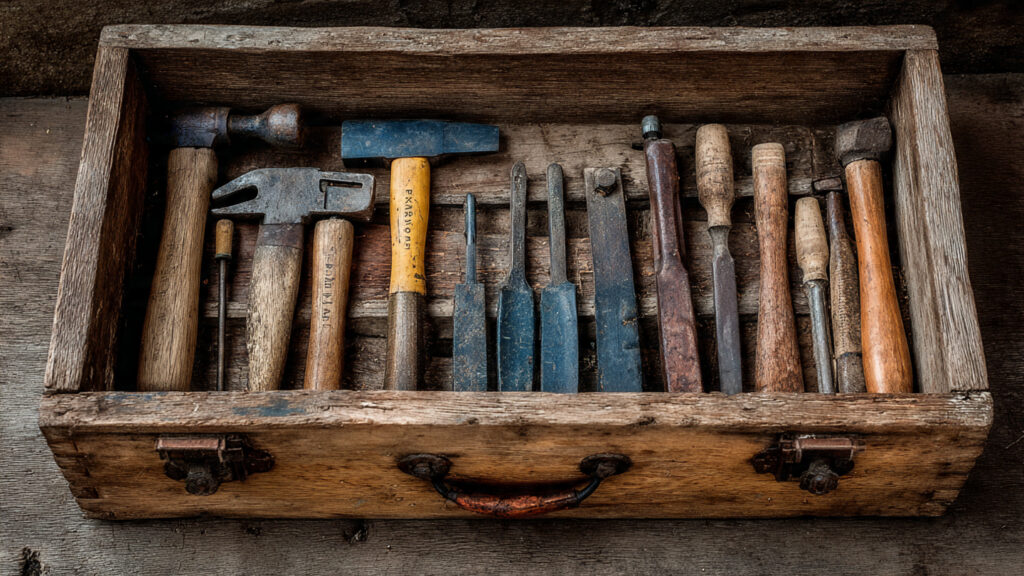
Toolbox Ke Types
- Small Basic Toolboxes – The basic toolbox is the smallest, simplest of all the toolboxes available. It is intended primarily for use at home and contains only a few essential hand tools, such as a hammer, screwdriver and pliers.
- Portable Toolboxes – The portable toolbox is a lightweight toolbox that can easily be carried around. It is useful for workers or technicians who are often required to move from place to place.
- Heavy-Duty or Mechanical Toolboxes – These are specially designed for large construction projects and therefore must be able to hold much more weight than standard toolboxes. Heavy-duty toolboxes typically include an assortment of tools, including wrench sets, drill bits and other professional-grade equipment.
- Electric Toolboxes
- The electric toolbox is constructed specifically for use when working with electricity and contains electrical tools such as wire-cutting pliers, electrical testers, multimeters, etc.
Essential Tools in a Toolbox
The complete set of necessary items to have in your toolbox is:
Hammer – Used to drive nails into wood, or to help remove nails from wood.
Screwdriver set – Used for tightening screws down or loosening screws.
Pliers – Good for gripping and cutting wires or other materials.
Wrench/Spanner – Used to tighten nuts and bolts.
Measuring tape – For measuring things accurately.
Utility knife – For cutting things like cardboard.
Drill – For drilling holes in materials.
Level – Used to make sure that a surface is level
Why is a Toolbox Important at Home?
- Quick Fixes
You can fix almost anything if you have the right tools. Having a toolbox means you are able to fix things immediately without waiting for someone to come over and help you.
- Cost and Time Savings
If you want to pay for someone to come out just to do small repairs at your home, it can add up quickly. Using your toolbox will allow you to perform simple repairs yourself.
- Involvement on your Own Terms
A lot of times people like to do creative things with their homes or DIY projects. The toolbox can help you be creative and do it yourself!
How to Use a Toolbox Properly
Always keep your tools clean and dry
Return tools to their proper place after use
Use the right tool for the right job
Wear safety gear like gloves and goggles
oolbox for Professionals
To electricians, plumbers, mechanics, etc.; tools are not only storage containers, but they also play an important role in performing their jobs. Keeping tools organized increases their productivity and allows them to perform outside of the normal timeframe; thus, completing jobs as quickly and efficiently as possible.
What is a Digital Toolbox?
Graphic design tools
Video editing software
Productivity apps

Conclusion
A toolbox could be one small purchase that positively affects your everyday life, not only by providing access to an array of tools but as a common solution to help you achieve greater levels of self-sufficiency and productivity. Whether you are new to working with tools or a seasoned professional, having an organized toolbox saves both time and energy as well as money.
If you still do not own a toolbox, now is the best opportunity to obtain one so that you can begin to work more effectively and easily than ever before.